

As an Amazon Associate we earn from qualifying purchases.
- Best overall: Celestron StarSense Explorer DX 130AZ Reflector Telescope
- Best budget: Vortex Crossfire HD 10×42 Binoculars
- Best premium: Celestron NexStar 8SE Computerized Telescope
- Vortex Viper HD 10×42 Binoculars: Celestron Inspire 100AZ Refractor Telescope
- Choose a telescope for detailed views of the Moon, planets and deep-sky objects from a steady viewing spot.
- Choose Vortex binoculars for lightweight, quick-to-use viewing of wildlife, scenery and the night sky.
- The Celestron StarSense Explorer DX 130AZ Reflector Telescope is the top all-around astronomy pick for beginners.
- Vortex Crossfire HD 10×42 Binoculars are a practical entry point for general outdoor use.
- Compare aperture, magnification and portability before choosing a Black Friday 2026 optical deal.
The 2026 Black Friday choice is straightforward: 3 telescope picks suit astronomy, while 4 Vortex binoculars suit portable outdoor viewing. I researched and compared specs, reviews and owner feedback to identify options for different budgets and plans. A telescope gathers more light for observing celestial objects, while binoculars are faster to set up and easier to carry.
The right choice depends on where and what you watch. Consider a telescope for backyard stargazing and a Vortex binocular model for birding, hiking or travel. Our picks include beginner-friendly and premium options, with practical details to help compare them. Easy recommendation: decide whether astronomy or everyday portability matters more before shopping Black Friday 2026.
How We Picked
- We compared 7 products across telescope and binocular categories, prioritizing clear differences in purpose and optical design.
- We reviewed aperture, magnification, field of view and other published specifications to describe what each model is built to do.
- We considered owner feedback and product reviews for setup, handling, portability and suitability for beginners.
- We included choices at different feature levels, from straightforward binoculars to computerized telescope systems.
- We favored useful, specific recommendations over claims about sale pricing; compare the current listing and included accessories before checkout.
Comparison Table
| Product | Best for | Magnification | Objective or aperture | Field of view or optical design |
|---|---|---|---|---|
| Celestron StarSense Explorer DX 130AZ Reflector Telescope | Beginner backyard astronomy | Variable with eyepiece | 130 mm aperture | 650 mm focal length; reflector |
| Celestron NexStar 8SE Computerized Telescope | Computerized astronomy | Variable with eyepiece | 203.2 mm aperture | 2032 mm focal length; Schmidt-Cassegrain |
| Celestron Inspire 100AZ Refractor Telescope | Lunar and planetary viewing | Variable with eyepiece | 100 mm aperture | 660 mm focal length; refractor |
| Vortex Crossfire HD 10×42 Binoculars | General outdoor use | 10x | 42 mm objective | 325 ft at 1,000 yd |
| Vortex Diamondback HD 10×42 Binoculars | Birding and general wildlife | 10x | 42 mm objective | 330 ft at 1,000 yd |
| Vortex Viper HD 10×42 Binoculars | Frequent birding | 10x | 42 mm objective | 341 ft at 1,000 yd |
| Vortex Razor UHD 10×42 Binoculars | Premium outdoor viewing | 10x | 42 mm objective | 346 ft at 1,000 yd |
Best Picks Reviewed
#1 · Top pick
Celestron StarSense Explorer DX 130AZ Reflector Telescope
The Celestron StarSense Explorer DX 130AZ Reflector Telescope is the best all-around telescope for beginners who want guided backyard astronomy. The Celestron StarSense Explorer DX 130AZ Reflector Telescope's 130 mm aperture gathers ample light for lunar, planetary and brighter deep-sky viewing.

Best for: Beginner backyard astronomy
- Aperture
- 130 mm
- Focal length
- 650 mm
- Focal ratio
- f/5
- Mount
- Manual alt-azimuth
- StarSense phone guidance helps users locate objects
- Wide-field reflector design suits bright deep-sky targets
- Manual mount keeps operation straightforward
- Requires setup and a steady viewing location
Is the Celestron StarSense Explorer DX 130AZ Reflector Telescope worth buying on Black Friday 2026?
The Celestron StarSense Explorer DX 130AZ Reflector Telescope is a strong Black Friday 2026 choice for new astronomers who want guided object finding and a substantial 130 mm aperture. The Celestron StarSense Explorer DX 130AZ Reflector Telescope's manual mount keeps operation approachable.
See today’s Black Friday price on Amazon
#2
Celestron NexStar 8SE Computerized Telescope
The Celestron NexStar 8SE Computerized Telescope is the best premium telescope for astronomy fans who want computerized object locating. The Celestron NexStar 8SE Computerized Telescope's 203.2 mm aperture brings substantial light-gathering capacity to a portable Schmidt-Cassegrain design.
Best for: Computerized astronomy
- Aperture
- 203.2 mm
- Focal length
- 2032 mm
- Focal ratio
- f/10
- Object database
- 40,000 objects
- Computerized mount locates a large range of celestial targets
- Large aperture supports detailed observing
- Compact optical tube is easier to transport than many large telescopes
- Requires power and alignment for computerized operation
- Higher feature level means a steeper learning curve
Is the Celestron NexStar 8SE Computerized Telescope worth buying on Black Friday 2026?
The Celestron NexStar 8SE Computerized Telescope is a strong Black Friday 2026 pick for buyers seeking automated object locating and a large 203.2 mm aperture. Choose it for planned astronomy sessions rather than casual, grab-and-go viewing.
See today’s Black Friday price on Amazon
#3
Celestron Inspire 100AZ Refractor Telescope
The Celestron Inspire 100AZ Refractor Telescope is the best simple refractor for beginners who want a direct route into Moon and planet viewing. The Celestron Inspire 100AZ Refractor Telescope's 100 mm aperture and 660 mm focal length make a balanced starter setup.
Best for: Lunar and planetary viewing
- Aperture
- 100 mm
- Focal length
- 660 mm
- Focal ratio
- f/6.6
- Mount
- Manual alt-azimuth
- Refractor design is approachable for first-time users
- Good fit for bright lunar and planetary targets
- Manual mount avoids computerized setup
- Less light gathering than the 130 mm and 203.2 mm telescope picks
Is the Celestron Inspire 100AZ Refractor Telescope worth buying on Black Friday 2026?
The Celestron Inspire 100AZ Refractor Telescope is a sensible Black Friday 2026 option for beginners focused on the Moon, planets and simple setup. The Celestron Inspire 100AZ Refractor Telescope's 100 mm aperture offers a practical balance for a first backyard telescope.
See today’s Black Friday price on Amazon
#4
Vortex Crossfire HD 10×42 Binoculars
The Vortex Crossfire HD 10×42 Binoculars are the best budget-style choice for outdoor users who want versatile everyday magnification. Their 10x magnification and 42 mm objective lenses suit wildlife watching, travel and casual sky viewing.
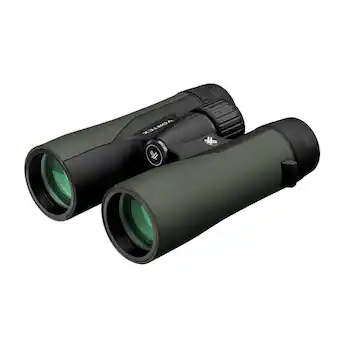
Best for: General outdoor use
- Magnification
- 10x
- Objective lens
- 42 mm
- Field of view
- 325 ft at 1,000 yd
- Close focus
- 6 ft
- Versatile size for day trips and general viewing
- 10x magnification brings distant subjects closer
- Close focus supports nearby nature observation
- Narrower field of view than an 8x binocular
Are Vortex Crossfire HD 10×42 Binoculars worth buying on Black Friday 2026?
Vortex Crossfire HD 10×42 Binoculars are a practical Black Friday 2026 pick for outdoor users seeking 10x magnification in a general-purpose format. The 42 mm objectives and 6 ft close focus cover a useful range of viewing situations.
See today’s Black Friday price on Amazon
#5
Vortex Diamondback HD 10×42 Binoculars
The Vortex Diamondback HD 10×42 Binoculars are the best step-up all-purpose binoculars for birders and outdoor enthusiasts. Their 10x magnification, 42 mm objectives and 330 ft field of view at 1,000 yd balance reach with scene coverage.
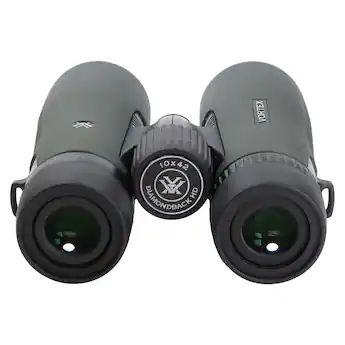
Best for: Birding and general wildlife
- Magnification
- 10x
- Objective lens
- 42 mm
- Field of view
- 330 ft at 1,000 yd
- Close focus
- 5 ft
- Field of view supports tracking wildlife
- Close focus suits nearby nature details
- Useful balance for travel and outdoor observation
- 10x magnification takes a steadier hold than 8x models
Are Vortex Diamondback HD 10×42 Binoculars worth buying on Black Friday 2026?
Vortex Diamondback HD 10×42 Binoculars are a good Black Friday 2026 choice for birders who want a versatile 10x model. Their 330 ft field of view at 1,000 yd and 5 ft close focus support both distant and nearby wildlife viewing.
See today’s Black Friday price on Amazon
#6
Vortex Viper HD 10×42 Binoculars
The Vortex Viper HD 10×42 Binoculars are the best refined everyday option for dedicated birders and wildlife watchers. Their 10x magnification, 42 mm objective lenses and 341 ft field of view at 1,000 yd make a capable field companion.
Best for: Frequent birding
- Magnification
- 10x
- Objective lens
- 42 mm
- Field of view
- 341 ft at 1,000 yd
- Eye relief
- 18 mm
- Wide field of view helps follow moving subjects
- 10x magnification suits distant wildlife
- Comfortable eye relief accommodates many glasses wearers
- More binocular than casual, occasional users need
Are Vortex Viper HD 10×42 Binoculars worth buying on Black Friday 2026?
Vortex Viper HD 10×42 Binoculars are worth considering for frequent birders who value a broad 341 ft field of view at 1,000 yd. The 10×42 format offers a well-rounded mix of reach and scene coverage for field use.
See today’s Black Friday price on Amazon
#7
Vortex Razor UHD 10×42 Binoculars
The Vortex Razor UHD 10×42 Binoculars are the best premium binoculars for serious outdoor observers who prioritize high-end optical performance. Their 10x magnification and 42 mm objectives offer a versatile configuration for demanding field use.
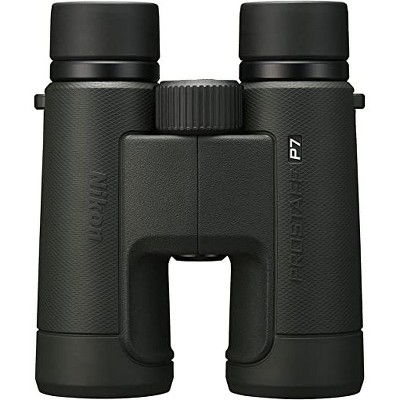
Best for: Premium outdoor viewing
- Magnification
- 10x
- Objective lens
- 42 mm
- Field of view
- 346 ft at 1,000 yd
- Close focus
- 4.5 ft
- Premium optical design for detailed outdoor viewing
- Broad field of view supports scanning and subject tracking
- Close focus handles nearby subjects
- Premium positioning is excessive for occasional casual viewing
Are Vortex Razor UHD 10×42 Binoculars worth buying on Black Friday 2026?
Vortex Razor UHD 10×42 Binoculars are a premium Black Friday 2026 choice for serious birders and outdoor observers. Their 10×42 configuration, 346 ft field of view at 1,000 yd and 4.5 ft close focus cover varied field conditions.
See today’s Black Friday price on Amazon
Should you choose a telescope or Vortex binoculars?
A telescope is the better choice for astronomy, while Vortex binoculars are the better choice for portable viewing of landscapes and wildlife. The Celestron StarSense Explorer DX 130AZ Reflector Telescope has a 130 mm aperture, while Vortex Crossfire HD 10×42 Binoculars weigh and pack more easily for everyday outings.
A telescope uses a mount and higher magnification to reveal details on the Moon, planets and selected deep-sky targets. Binoculars offer a wider, upright view that is easy to aim at moving birds or distant scenery. For casual stargazing, binoculars show broad star fields; for close planetary views, choose a telescope.
Best bet: match the instrument to the activity you do most. Choose a telescope if astronomy is the priority and a Vortex binocular model if quick setup and portability matter more.
Which telescope is best for beginners in 2026?
The Celestron StarSense Explorer DX 130AZ Reflector Telescope is the strongest beginner pick among 3 telescope options because its 130 mm aperture pairs with phone-assisted object finding. The guided approach helps newcomers identify targets without starting with a fully computerized mount.
The Celestron Inspire 100AZ Refractor Telescope suits buyers who prefer a straightforward refractor for the Moon and planets. The Celestron NexStar 8SE Computerized Telescope adds a much larger 203.2 mm aperture and automated locating, but asks more of the buyer in setup, alignment and budget planning.
Think about where the telescope will live, too. A larger instrument needs a stable spot and regular setup time. A beginner who values simplicity and guided discovery has a clear starting point with the StarSense Explorer DX 130AZ.
Which Vortex binoculars are best for birding?
The Vortex Viper HD 10×42 Binoculars are a strong choice for frequent birders, with 10x magnification and a 341 ft field of view at 1,000 yd. The field of view helps keep moving subjects within the image while the 42 mm objectives suit general daylight observation.
Vortex Diamondback HD 10×42 Binoculars give birders a balanced alternative, including a 5 ft close focus for nearby nature details. Vortex Crossfire HD 10×42 Binoculars suit general outdoor use, while Vortex Razor UHD 10×42 Binoculars target buyers who want a premium optical tier.
For hiking and long walks, consider the weight and how steady a 10x view feels in your hands. An 8x model is often easier to hold steady, but among these 10x picks, prioritize field of view, fit and intended use.
Can you use binoculars for stargazing?
Vortex Crossfire HD 10×42 Binoculars and Vortex Diamondback HD 10×42 Binoculars work for broad views of the Moon, star fields and bright celestial targets. Their 10x magnification provides a hand-held view without the setup required by a telescope.
Binoculars do not provide the same detailed planetary views as a telescope. A tripod helps steady the view, especially during longer sessions, and dark skies improve what you can see. Binoculars are a convenient companion for learning constellations or taking on a trip.
Choose a telescope if your goal is observing small targets at higher magnification. Choose binoculars if you want an easy-to-carry instrument that works for daytime wildlife viewing and occasional night-sky sessions.
What should you compare before buying on Black Friday 2026?
Compare the Celestron NexStar 8SE Computerized Telescope's 203.2 mm aperture with the Vortex Viper HD 10×42 Binoculars' 42 mm objectives only as a guide to different instruments, not as interchangeable measurements. Telescope aperture and binocular objective size serve distinct viewing designs.
Check what comes in the package, including mounts, eyepieces, carrying cases and any required power accessories. Confirm the exact model name and specifications on the retailer listing, since nearby versions can differ. For telescopes, pay attention to mount type and setup demands; for binoculars, check magnification, field of view and comfort.
Black Friday shopping works best when you decide on a use case first and compare the full product details before checkout. A lower-cost instrument that fits your routine is a better buy than an advanced model that stays unused.
Buying Guide
Set your primary viewing goal
For 1 main activity, choose astronomy or portable outdoor viewing first. Telescopes such as the Celestron StarSense Explorer DX 130AZ Reflector Telescope suit celestial targets; Vortex binoculars suit wildlife, travel and broad sky views.
Understand aperture and magnification
Compare aperture for telescopes and the magnification-objective pair for binoculars. A 10×42 binocular has 10x magnification and 42 mm objectives, while telescope magnification changes with the eyepiece used.
Match complexity to your experience
A manual telescope like the Celestron Inspire 100AZ Refractor Telescope keeps controls simple. The Celestron NexStar 8SE Computerized Telescope adds automated locating, but setup and alignment require more steps.
Check portability and included accessories
Before buying, confirm the instrument's dimensions, included mount or case, and any power needs. Binoculars pack easily; a telescope needs a stable support and room for setup.
Compare the exact Black Friday listing
Check the complete model name, specifications and included items against this guide. Verify that retailer listings describe the same 10×42 binocular or telescope variant before deciding.
FAQ
Telescope vs Vortex binoculars Black Friday: which is better for stargazing?
A telescope is better for detailed views of the Moon and planets, while Vortex binoculars suit broad star fields and casual sky watching. The Celestron StarSense Explorer DX 130AZ Reflector Telescope pairs a 130 mm aperture with guided object finding.
Are Vortex binoculars good for astronomy?
Vortex binoculars are useful for wide-field stargazing and bright celestial targets. Vortex Crossfire HD 10×42 Binoculars provide 10x magnification and 42 mm objectives, while a telescope is the better tool for detailed planetary viewing.
Which Vortex binoculars should a beginner buy?
Vortex Crossfire HD 10×42 Binoculars are a practical starting point for general outdoor use. Their 10x magnification and 42 mm objectives suit wildlife, scenery and casual sky viewing without the extra equipment and setup associated with a telescope.
Which telescope has the largest aperture in this guide?
The Celestron NexStar 8SE Computerized Telescope has the largest aperture in this guide at 203.2 mm. The larger aperture is suited to astronomy buyers who want computerized object locating and more light-gathering capacity.
Are 10×42 binoculars good for bird watching?
Yes, 10×42 binoculars are a versatile birding format for viewing distant birds and general wildlife. Vortex Diamondback HD 10×42 Binoculars offer a 330 ft field of view at 1,000 yd and a 5 ft close focus for nearby details.